







By Mark Moran - Producer-Editor, Contact - News
Big Sky Connection - Conservation and land stewardship groups, along with hunters and anglers, call the proposed U.S. Forest Service plan to manage old-growth forests a "good first step." Critics of the plan say it allows for too much additional logging in environmentally sensitive areas. The plan would have far-reaching effects in Montana. Comments from Frank Szollosi (suh-LAH-see), executive director, Montana Wildlife Federation.
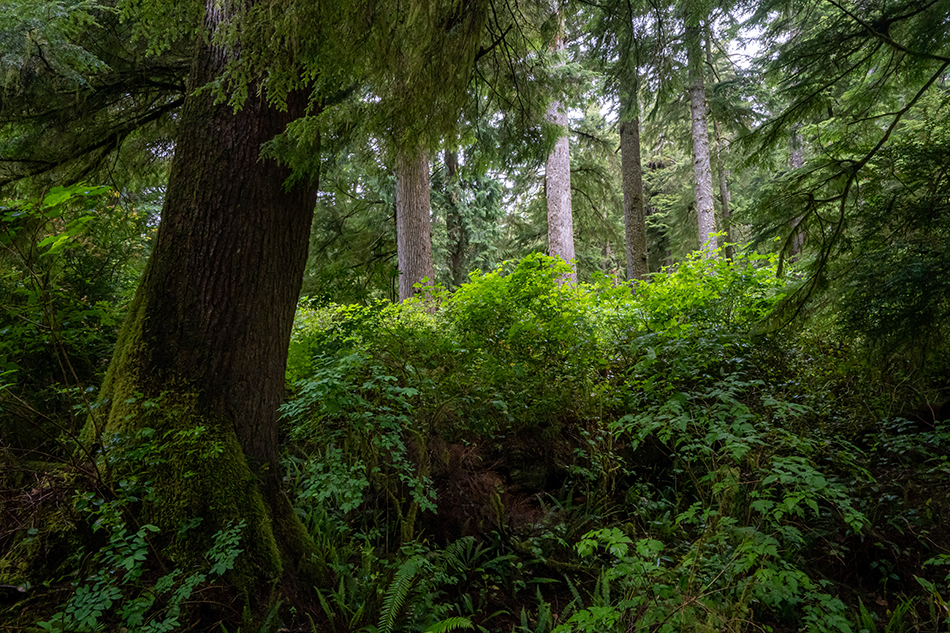
Click on the image above for the audio. Climate stressors such as heat and drought are changing America's forests at a rapid rate. The National Wildlife Federation supports a policy proposed by the Biden administration to protect and nurture habitat in old-growth forests. (Adobe Stock)
Mark Moran
January 16, 2024 - A group of conservation, sporting, and land-stewardship organizations call the U.S. Forest Service's move to conserve old-growth forests a "good first step."
The plan aims to use a science-based management plan to address climate change and other threats to forests, affecting millions of acres of trees in Montana.
Frank Szollosi, executive director of the Montana Wildlife Federation, said in Montana, the old-growth management plan would be part of a broader effort to help trees sequester carbon, which he said they are losing the ability to do.
"They're not absorbing carbon because of the widespread beetle disease and other disturbances," Szollosi pointed out. "We're losing the ability of these forests to absorb carbon."
The new Forest Service proposal would address insect infestations and implement logging practices for ecological health reasons -- such as getting rid of overgrown or diseased trees -- to reduce wildfire risk. It limits logging purely for economic reasons in old-growth forests.
Critics of the plan oppose any increased logging and others are opposed to additional wilderness areas. The proposal is open to public comment for 90 days.
Szollosi noted the proposal would also protect critical habitat in Montana.
"The health of these forests is important for cover for elk and mule deer, forage for wild turkeys," Szollosi outlined. "They're critical for cold, clear water for our native trout, and they're critical habitat for numerous other species."
Szollosi added it is important for Montana's seven Indigenous communities to weigh in on the proposal because it affects their way of life, as well as impacting local economies relying on the state's forests. If approved, the old-growth preservation proposal would be the first nationwide amendment to Forest Service management plans in the agency's 118-year history.
Best Practices Disclosure References
