







By Mark Moran - Producer-Editor, Contact - News
Big Sky Connection - Declining ad revenue, media consolidation and high production costs continue to create more 'news deserts' in Montana. Experts say the trend is especially troubling in rural areas, where dwindling sources of local news mean less accountability for elected officials. Comments from Lee Banville, director, University of Montana School of Journalism.

Click on the image above for the audio.
Mark Moran
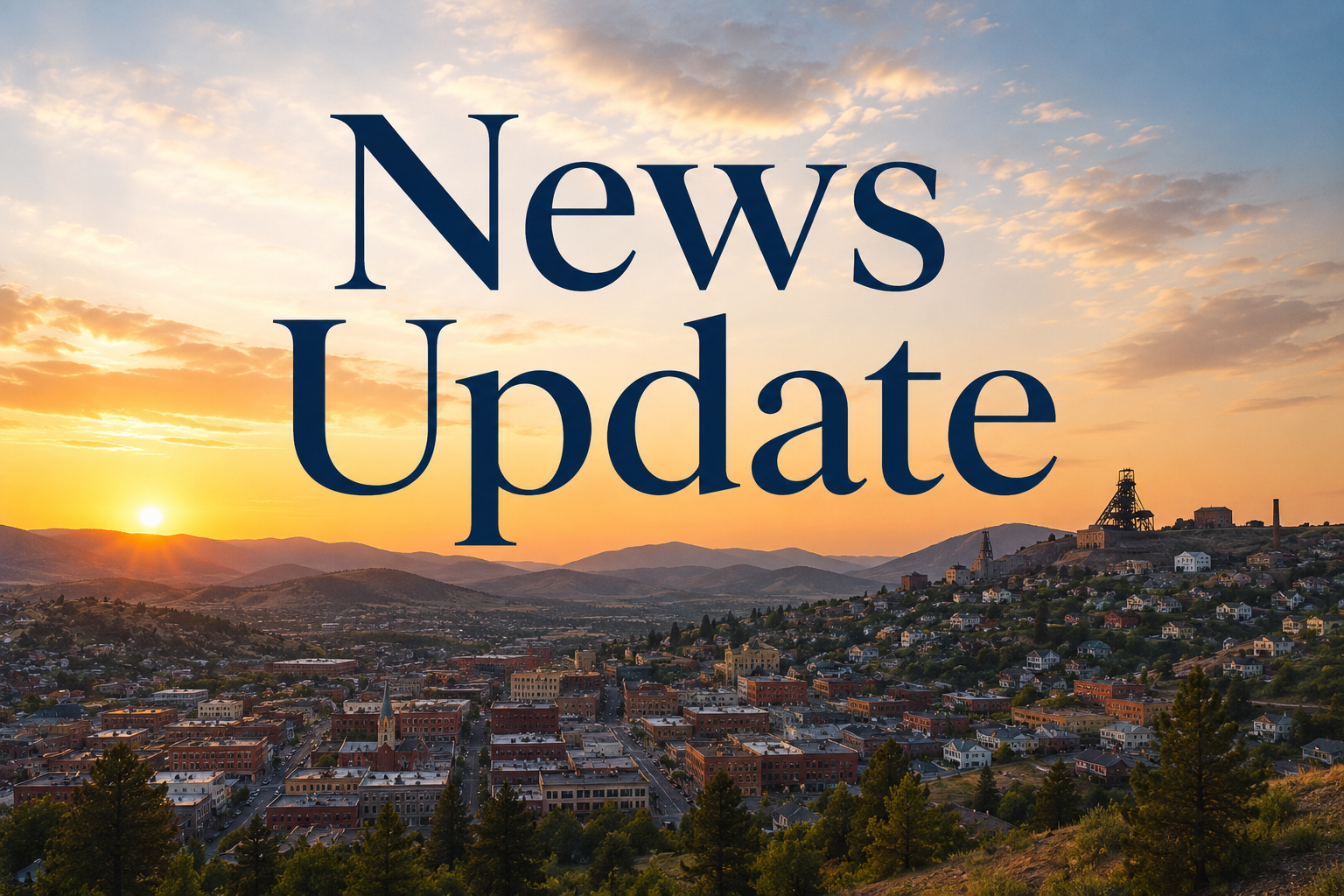
December 23, 2024 - Online news organizations are trying to fill the lack of local coverage in Montana's news deserts.
As the year ends, a dwindling number of the state's 56 counties have reporters covering issues on the ground.
The Great Falls Tribune once had dozens of reporters in the local newsroom. Now, it has one - and that trend is spreading across Montana.
The state has three counties without a newspaper, and 35 with only one.
University of Montana Journalism School Director Lee Banville said this can be especially troubling for people who live in small towns.
"And so what happens is, as those local sources dry up," said Banville, "we actually have seen that people become more isolated and sort of divided, in a way, polarized."
A Local News Data Initiative at the University of North Carolina has created an interactive online map that lets users see where news deserts are developing at the county level, nationwide.
Sources like the Montana Free Press have hired reporters in some local towns - but in addition to selling ads, they rely on donations and financial contributions from readers, to stay afloat.
Media consolidation, high production costs, and declining ad revenue are a few of the reasons local newspapers are struggling.
Banville said in Montana, that creates a lack of accountability among local officials - which can leave rural residents with no real sense of what's happening in their own backyard.
"If no one's keeping the lights on, then things are being done out of the public view," said Banville. "And that is an environment that can lead to - I mean, at its worst - corruption, and at its best, a population that doesn't know how the decisions are being made."
In an effort to help save local journalism, the University of Iowa recently bought two nearby, rural smalltown newspapers that had been on the brink of closing.
Its journalism school now operates the papers.
Banville said that may be a good model for saving smalltown papers, but Montana's expansive geography makes keeping reporters on the ground a challenge.
