


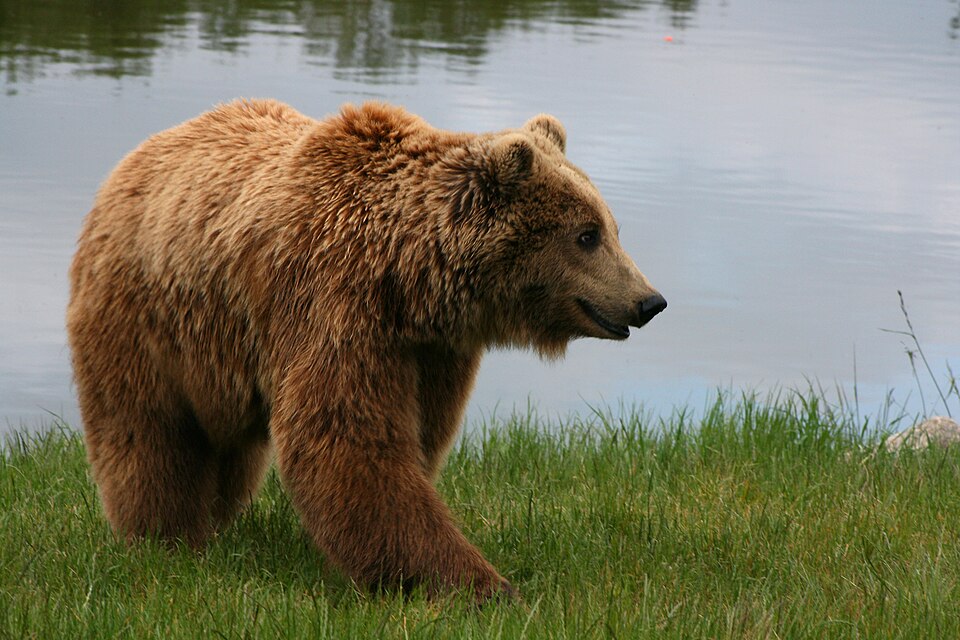







Big Sky Connection - Montana, Wyoming and Idaho have been petitioning the U.S. Fish and Wildlife Service to remove some of the region’s grizzly bears from protections under the Endangered Species Act. On Wednesday, the federal agency announced its decision to keep the bears protected, and proposed changes to its management approach. Comments by Andrea Zaccardi [za-CAR-dee], carnivore conservation legal director and senior attorney, Center for Biological Diversity.
Kathleen Shannon
January 9, 2025 - After a months-long delay, the U.S. Fish and Wildlife Service announced Wednesday that grizzly bears will retain protections under the Endangered Species Act, despite efforts by several western states to remove them.
The decision is an answer to petitions from Montana, Wyoming and Idaho to re-evaluate or delist grizzly bears in certain "distinct population segments" - a change that would have put the species under state management.
Andrea Zaccardi, carnivore conservation legal director and senior attorney with the Center for Biological Diversity, said the agency is also proposing erasing lines between population segments entirely.
"They're going to look at grizzly bears across their range where they currently exist and where they could exist in the future. And look at recovery on a broad scale," she explained.
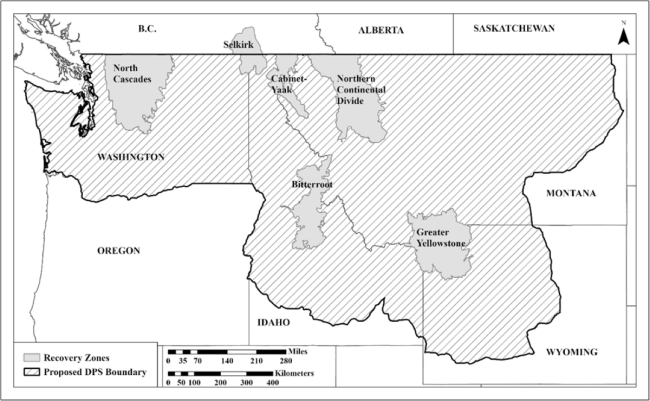
The proposed recovery zone includes Washington and parts of the northern Rocky Mountain states. The agency said in a statement that the change "will provide a comprehensive and scientifically based framework for recovery," and increases the likelihood of eventually delisting grizzly bears across the entire region.
Montana Gov. Greg Gianforte said on X that he's "deeply disappointed" with the Biden administration and what he describes as its "defiance of science and the law."
Zaccardi said if the federally proposed larger recovery zone is put in place, state wildlife management agencies will need to adjust.
"The states are going to have to pay more attention to protecting grizzly bears that are in connectivity corridors, where they could potentially connect populations to one another or move into areas such as the Selway Bitterroot and repopulate that area," she continued.
The Fish and Wildlife Service in October published an updated independent, peer-reviewed assessment of the species that it says "compiles the best available scientific information."
*The U.S. Fish and Wildlife Service has proposed a new lower 48 Distinct Population Segment boundary for grizzly bears that receive protections under the Endangered Species Act, connection and broadening the current isolated recovery zones (U.S. Fish and Wildlife Service)
| Best Practices |
