





By Kathleen Shannon - Producer, Contact - News
Big Sky Connection - A law to change Montana workers’ compensation laws was heard in committee this week. Opponents say it “tips the scale” in favor of insurance companies. Comments from Amanda Frickle, political director, Montana AFL-CIO; and Niki Zupanic [zoo-PAN-ick], Montana Trial Lawyers Association.
Kathleen Shannon
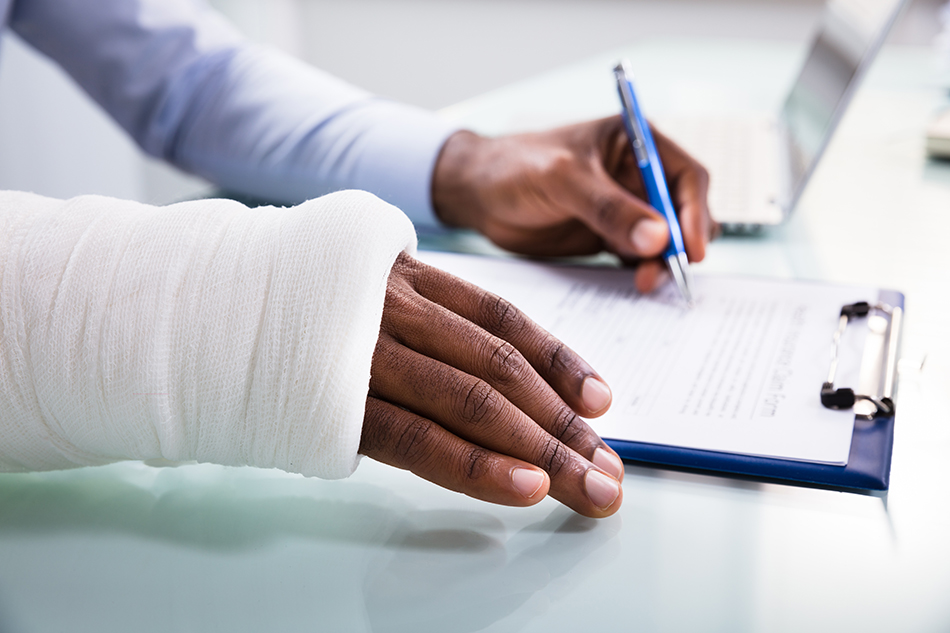
April 3, 2025 - A Montana legislative committee this week heard a bill to revise workers' compensation laws. Among opponents were workers who have navigated the system themselves. If a Montana worker were to get hurt on the job today, law requires insurance providers defer to the person's "treating physician." But Senate Bill 345 would remove that policy.
Sen. Greg Hertz, R-Polson, says that helps insurers get the "best available evidence."
Amanda Frickle, political director of Montana AFL- CIO, a state federation of unions, said workers' compensation claims and cases are "meant to be deliberative."
"This bill is fundamentally tipping the scales against the injured worker and in favor of the insurance company when it comes to these workers' compensation claims," she said.
The bill would allow insurers to require an independent medical examination from a provider of the company's choosing, even if that means someone out-of-state. In that case, the insurer would cover expenses such as travel, lodging and child care. But opponents say travel is not conducive to healing.
Niki Zupanic, owner of the Montana Trial Lawyers Association, says that adds to workers' up-front costs.
"Many of these costs, whether or not they will eventually be reimbursed, are likely to be coming out of pocket ahead of time from the injured worker, while they're also working most likely reduced hours and trying to juggle other expenses with their families," she explained.
According to the Montana Department of Labor and Industry, of all Montanans covered by a workers' comp policy, about 4% report an injury in a given year, or 23,000 people.
| Best Practices | Disclosure |
