










By Kathleen Shannon - Producer, Contact - News
Big Sky Connection - An annual report on children's well-being was published today, ranking Montana at 22nd among all states. It shows the state shines on family and community indicators, but trails on health indicators, a trend experts call “concerning.” Comments by Xanna (ZAN-na) Burg, Kids Count director, Montana Budget and Policy Center, and Leslie Boissiere (boss-EE-air), vice president of external affairs, Annie E. Casey Foundation.
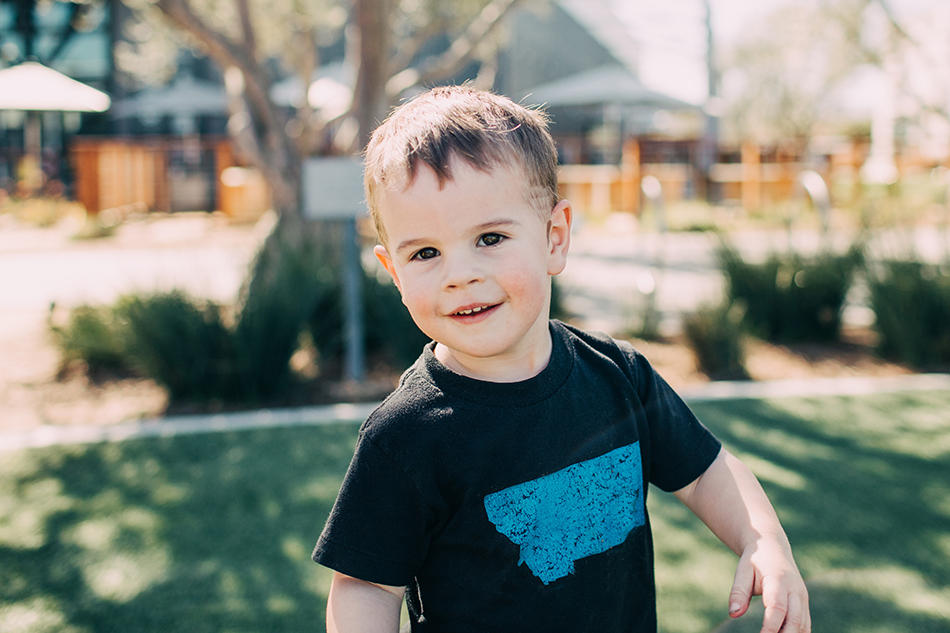
Click on the image above for the audio. A 2025 report on childhood well-being showed Montana ranks 10th in the nation on family and community indicators but much lower on health indicators, at 29th. (Kristin Eldridge/Adobe Stock)
Kathleen Shannon
An annual report on the well-being of children in each state shows Montana slipped two spots this year, ranking 22nd in the nation.
The 2025 Kids Count Data Book, published by the Annie E. Casey Foundation, found indicators for children's economic and family well-being improved in Montana. However, the state fared worse in childhood health. The rate of children without health insurance is 5% nationally, but 7% in Montana, accounting for 17,000 kids.
Xanna Burg, Kids Count director for the Montana Budget and Policy Center, noted the most recent data is from 2023, when continuous enrollment for Medicaid ended. But she explained 26,000 children lost Medicaid coverage the following year.
"We don't have data yet to understand what happened for those 26,000 children," Burg pointed out. "We're really in a moment where the data has not caught up yet to fully understand the picture of children's health insurance landscape."
Burg called the data concerning, especially in the context of increased mental health challenges and infectious disease outbreaks. Montana children's health could also be affected by federal lawmakers, who are debating major cuts to programs like Medicaid and SNAP.
Leslie Boissiere, vice president of external affairs for the Annie E. Casey Foundation, said she hopes lawmakers take a look at the report's unbiased data before making final decisions.
"I think it's critically important that policymakers look at the data on food security in their community, that they look at the data on access to health care, that they look at what's been effective in driving child well-being," Boissiere urged.
Looking at improvements, the report showed 15% of children in Montana lived in poverty in 2019, decreasing to 12% in 2023, or 28,000 kids. The percentage of children in single-parent families fell from 32% to 28% in the same time frame.
| Best Practices | Disclosure |
