









January 18, 2023
By Eric Tegethoff - Producer, Contact News
Big Sky Connection - A new study examines fencing in southwest Montana. There's little data on fences in the region, but they have a big impact on migrating species. Comments from Simon Buzzard (buh-ZARD), senior coordinator for wildlife connectivity, National Wildlife Federation, and lead author of the study.

Click on the image above for the audio. - Lowering top wires on fencing to 40 inches or lower decreases the chances of animals becoming entangled as they jump over. (F&J McGinn/Adobe Stock)
Eric Tegethoff
January 18, 2023
Migrating wildlife can struggle with the extensive fencing throughout the West, and a new study is filling in the gaps on where these fences are in southwest Montana.
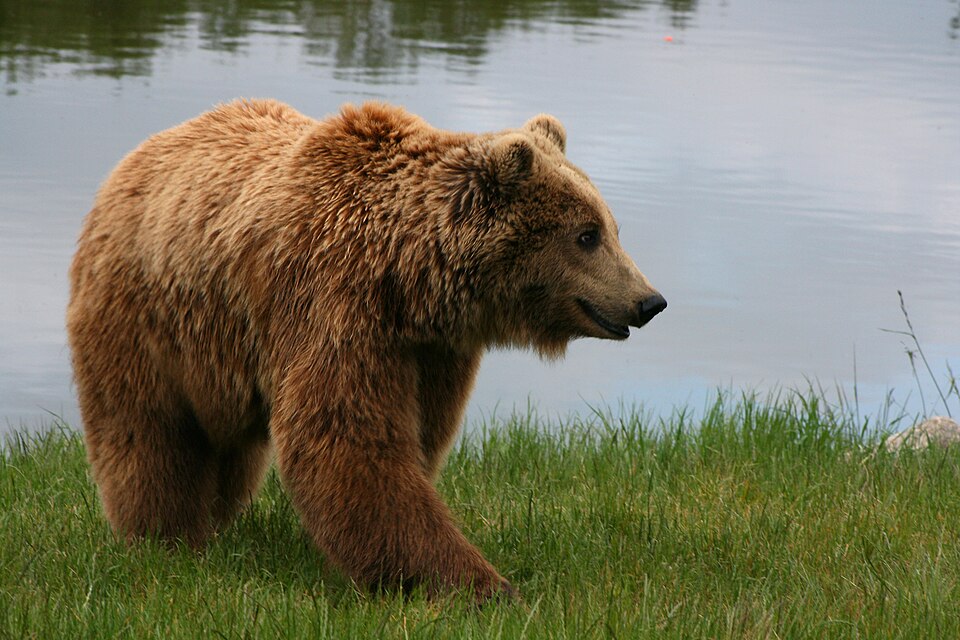
Simon Buzzard, the senior coordinator of wildlife connectivity for the National Wildlife Federation and the report's lead author, said the variety of wildlife in the region is extensive, from large mammals such as pronghorn, mule deer, and grizzly bears, to ground-nesting birds such as sage grouse.
"This host of species that migrate between public lands and private lands, across elevation changes and across state borders; we don't know how fences are impacting those movements," Buzzard pointed out. "That's why it's important to create this data."
Fences are designed to contain livestock movement on working lands but can entangle other species moving through the region. Buzzard noted more wildlife-friendly fencing designs can help migrating animals better navigate fenced areas. He added hard-to-navigate fencing is an issue not just on private lands but public lands as well.
The preference is for fencing to be no higher than 40 inches, and for bottom wires to be at least 18 inches off the ground.
"To allow for sensitive species like pronghorn to go under but also for juveniles of other species," Buzzard emphasized. "Juvenile elk, juvenile moose, black bears. A lot of these large-bodied mammals still prefer to go under fences than to go over them."
Buzzard's study found only 3% of sampled fences in Beaverhead and Madison counties had bottom wires 18 inches or higher and only 6% had top wires of 40 inches or lower.
He noted financing is available for landowners to convert existing fencing into wildlife-friendly fencing, especially if a lot of big game species move across their lands.
