






City Desk
- Details
- Category: City Desk

Click on the image above for the audio.
PNS - Tuesday, August 20, 2024 - President Biden gets a standing ovation on an emotional first night of the Democratic National Convention. In the streets, protests call for ending the Gaza war and an Arizona delegate calls a win for Harris and Walz a victory for all.

- Details
- Category: City Desk
Click on the image above for the audio.
PNS - Tuesday, August 20, 2024 - President Joe Biden addresses the Democratic National Convention, U.S. intelligence confirms Iranian hacking attempts on presidential campaigns, and severe storms in the Northeast caused historic flooding. Arkansas faces Medicaid coverage challenges, Biden administration targets high drug prices, and Minnesota introduces a climate adaptation tool.

- Details
- Category: City Desk
The Butte-Silver Bow Public Archives’ Brown Bag Lunch Series welcomes Ian Wilson to present about Montana’s deadliest train wreck.

Ian’s presentation and book, Catastrophe at Custer Creek: Montana’s Deadliest Train Wreck, documents the final ride of the Olympian. Just after midnight on June 19, 1938, the Olympian No. 15, an elite passenger train operated by the famed Milwaukee Road, crashed into Custer Creek, which flows into the Yellowstone River southwest of Terry, Montana. In the moments before the train reached the small bridge spanning the typically dry creek, the waters had swelled dramatically, the result of a violent storm system that moved across Montana that day. The wreck killed forty-nine passengers and crew members and injured another seventy-five, making it the most devastating train accident in Montana history. Ian will tell the story of the ill-fated Olympian and its ties to Butte, Montana.
The Brown Bag presentation will begin at noon on Wednesday, August 28th, 2024, and will last about an hour. The presentation will be held in the auditorium at the Butte-Silver Bow Public Archives located at 17 W. Quartz Street. Guests are encouraged to bring a sack lunch. Coffee and water will be provided.
Brown Bag Lunches are held the second and fourth Wednesdays of every month. Upcoming lectures will focus on topics of local interest. For more information, contact the Archives at (406)782-3280.
- Details
- Category: City Desk
By Mark Moran - Producer-Editor, Contact - News
Big Sky Connection - Critics say the cost is much higher than the anticipated $800 million price tag, but supporters of the Inflation Reduction Act say it is changing the jobs and ecological landscape in the Western U.S. They say investments in clean energy jobs and electric vehicle technology will trickle down to local economies. Comments from Shannon Heyck (HYKE)-Williams, associate vice president of climate and energy, National Wildlife Federation.
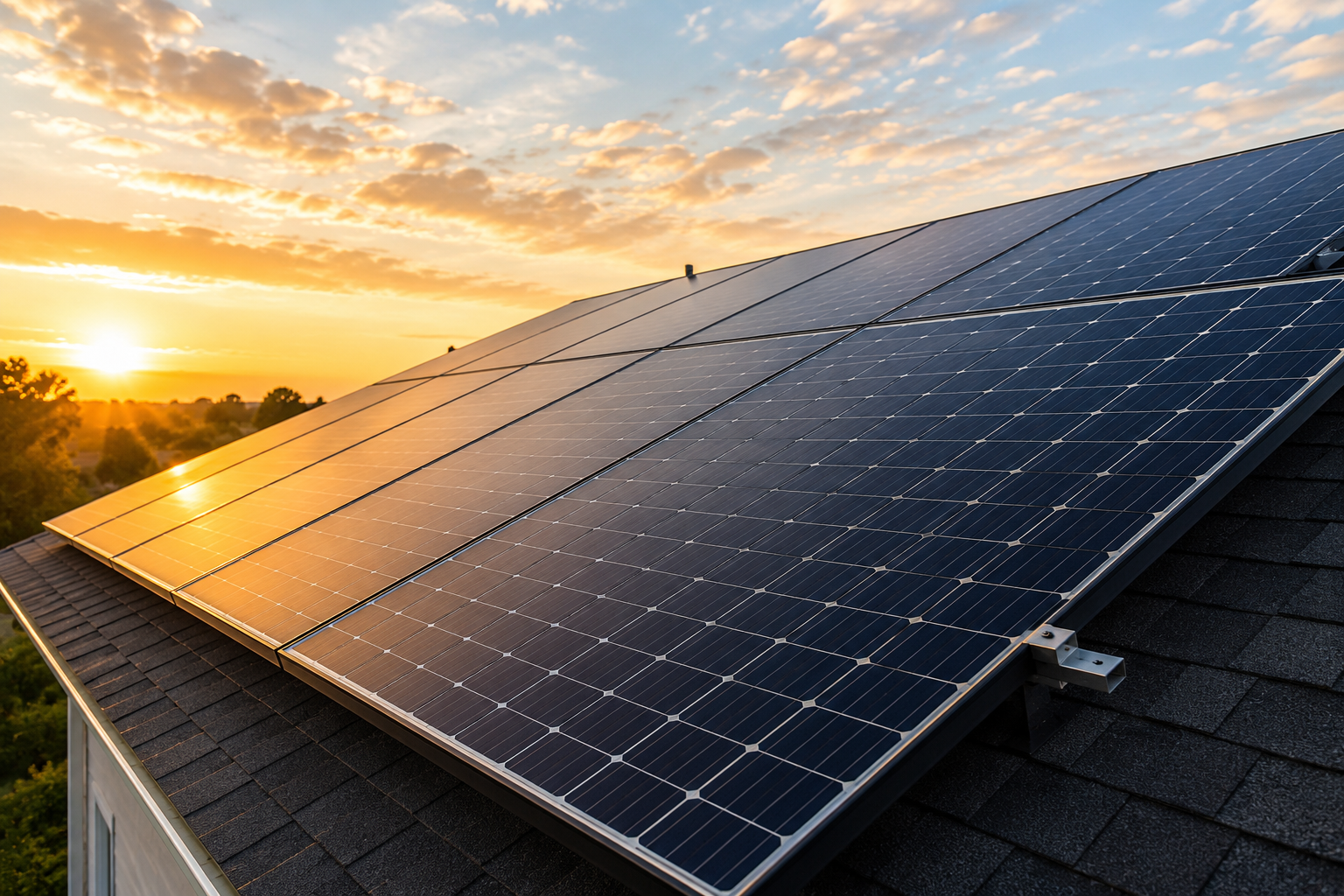
Click on the image above for the audio. Supporters of the Inflation Reduction Act say clean energy installations bring jobs to local economies. Montana is eyeing the potential in wind energy infrastructure. (Adobe Stock)
Mark Moran
PNS - August 19, 2024 - Environmental advocates are heralding added jobs and ecosystem protections funded through the Inflation Reduction Act, which just marked its two-year anniversary.
Critics of the legislation say costs are much higher than the original price tag.
But supporters of the IRA say the investments are having a positive impact on the environment - and on local economies.
Shannon Heyck-Williams - associate vice president for climate and energy at the National Wildlife Federation - said along with the Bipartisan Infrastructure law, the legislation has created more than 100,000 clean energy jobs across the West.
"For example," said Heyck-Williams, "in Montana, where wind energy has great potential, this bill would actually invest in new sources of clean wind energy to replace dirty fossil fuels."
Montana has about 1,800 megawatts of wind power-generating capacity, according to the U.S. Energy Information Administration, with more coming online next year.
Critics of the IRA have said its lack of spending caps mean it could cost taxpayers more than the often-cited $800 million price tag.
Heyck-Williams said these investments are important because they not only create jobs and spur local and regional economies, but they take on the growing effects of climate change, which Montanans are already noticing.
"If they're implemented as planned, they should reduce those emissions by about 40%, which is significant," said Heyck-Williams. "It puts us in the direction that we need to go to actually get to a mid-century goal of net zero emissions."
In addition to clean energy jobs and electric vehicle infrastructure, the IRA also allocates $4.5 billion to drought mitigation efforts in the West.