








City Desk
- Details
- Category: City Desk

Click on the image above for the audio.
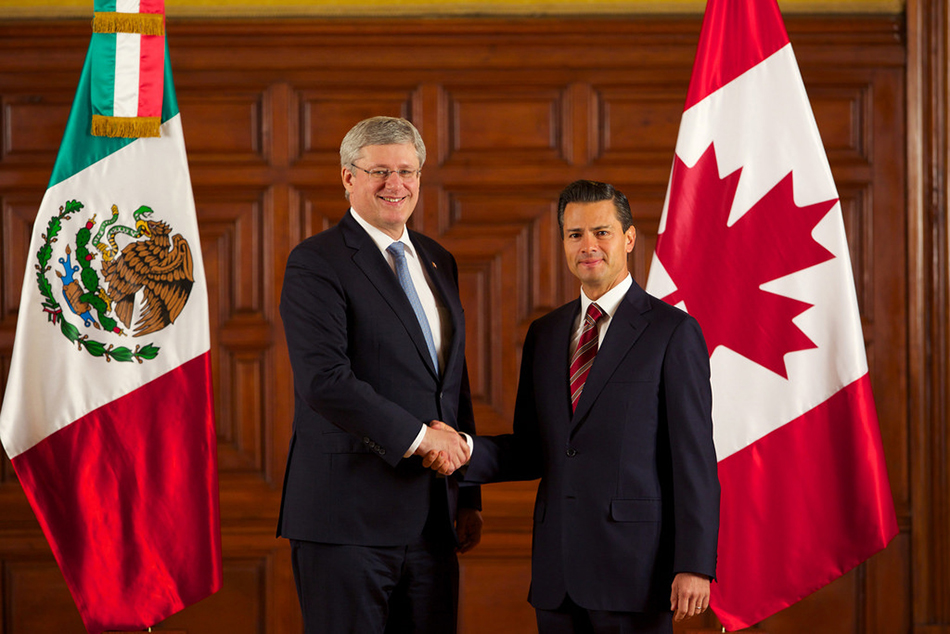
PNS - Tuesday, February 4, 2025 Canada and Mexico agree with Trump to postpone tariffs by at least 30 days; Indiana steps up to get the lead out; UW study: Rural women have it harder with menopause; Cost of living tops Denver lawmaker's priorities.
- Details
- Category: City Desk
- Details
- Category: City Desk
By Kathleen Shannon - Producer, Contact - News
Big Sky Connection - Montana lawmakers discussed three bills on gender last week, following prompting by the governor to introduce them. Advocates for transgender people say that attempts by lawmakers to control family medical decisions is “overreach.” Comments by Zuri Moreno [ZURR-ee moh-RAY-no] (they/them pronouns), state legislative director, Forward Montana.
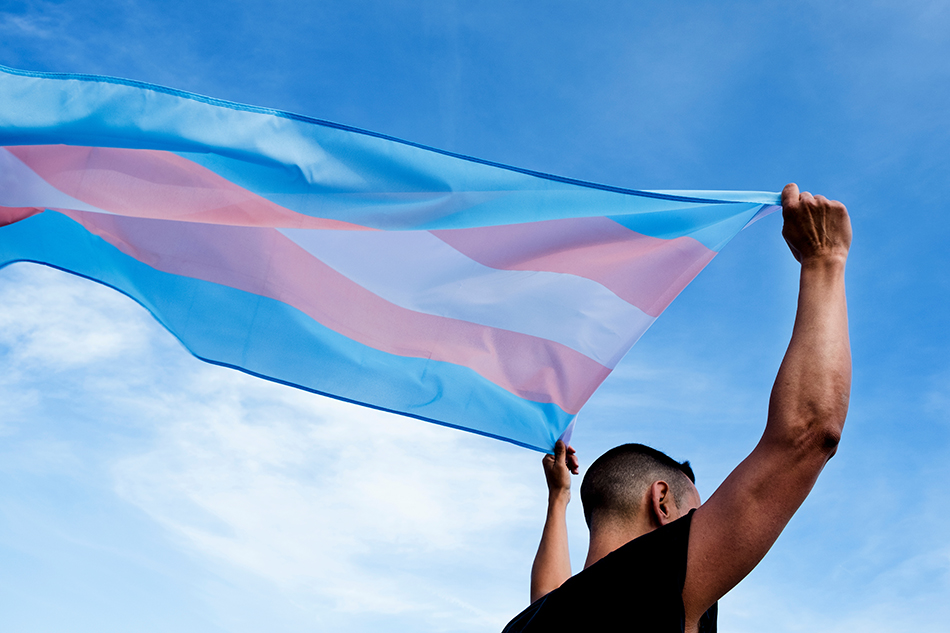
Click on the image above for the audio. In December, the Montana Supreme Court ruled a 2023 law restricting life-saving gender-affirming care for transgender youth was unconstitutional. Lawmakers have introduced a slate of related bills in the 2025 session. (Adobe Stock)
Kathleen Shannon
February 3, 2025 - Montana lawmakers are considering three bills on gender. They are all versions of previous bills, which either failed or were struck down in court, but some new drafts have higher stakes.
Two bills would determine if or how transgender people can use certain bathrooms and changing rooms and participate in school sports. A third seeks to prohibit access to gender-affirming health care and to criminalize doctors and parents who, according to the bill, "knowingly procure or provide" such care.
Zuri Moreno, state legislative director for the advocacy group Forward Montana, said some lawmakers have described transgender people as "out of compliance."
"It's an overreach of our government to try to force people across our communities to comply with what they think is correct gender presentation," Moreno argued.
Proponents said the bills would "prevent harassment" and protect the "welfare of children." Moreno countered the proposition lawmakers should have a say in families' private medical decisions or they understand athletes' needs more than teachers and coaches, is a dangerous one.
The bills parallel a January executive order from President Donald Trump defining "sex" and directs federal agencies to rescind materials discussing "gender ideology." Moreno pointed out organizers across Montana have been preparing for the state bills.
"The governor, in his State of the State, did direct the legislature to get these types of bills to his desk," Moreno noted. "But I think it's important for everyone to remember that our legislature doesn't work for the governor. They work for their constituents."
Legislators have referred all three bills to committee after hearings last week. Moreno stressed regardless of the fate of the bills, debates on them are harmful. Among LGBTQ+ youth, 90% said their well-being has been negatively affected by recent politics, according to a 2024 survey from The Trevor Project.
| Best Practices | Disclosure |
- Details
- Category: City Desk

Click on the image above for the audio.
PNS - Monday, February 3, 2025 - President Trump imposes tariffs on Canada and Mexico. Legal experts question Trump's use of executive orders, and mass deportations may start to take a toll in the southwest.