










Butte-Silver Bow Moves Forward With Solar Panel Project at Public Library
County officials scheduled a bid opening for the library solar project, bringing questions of construction costs and long-term energy savings into focus.
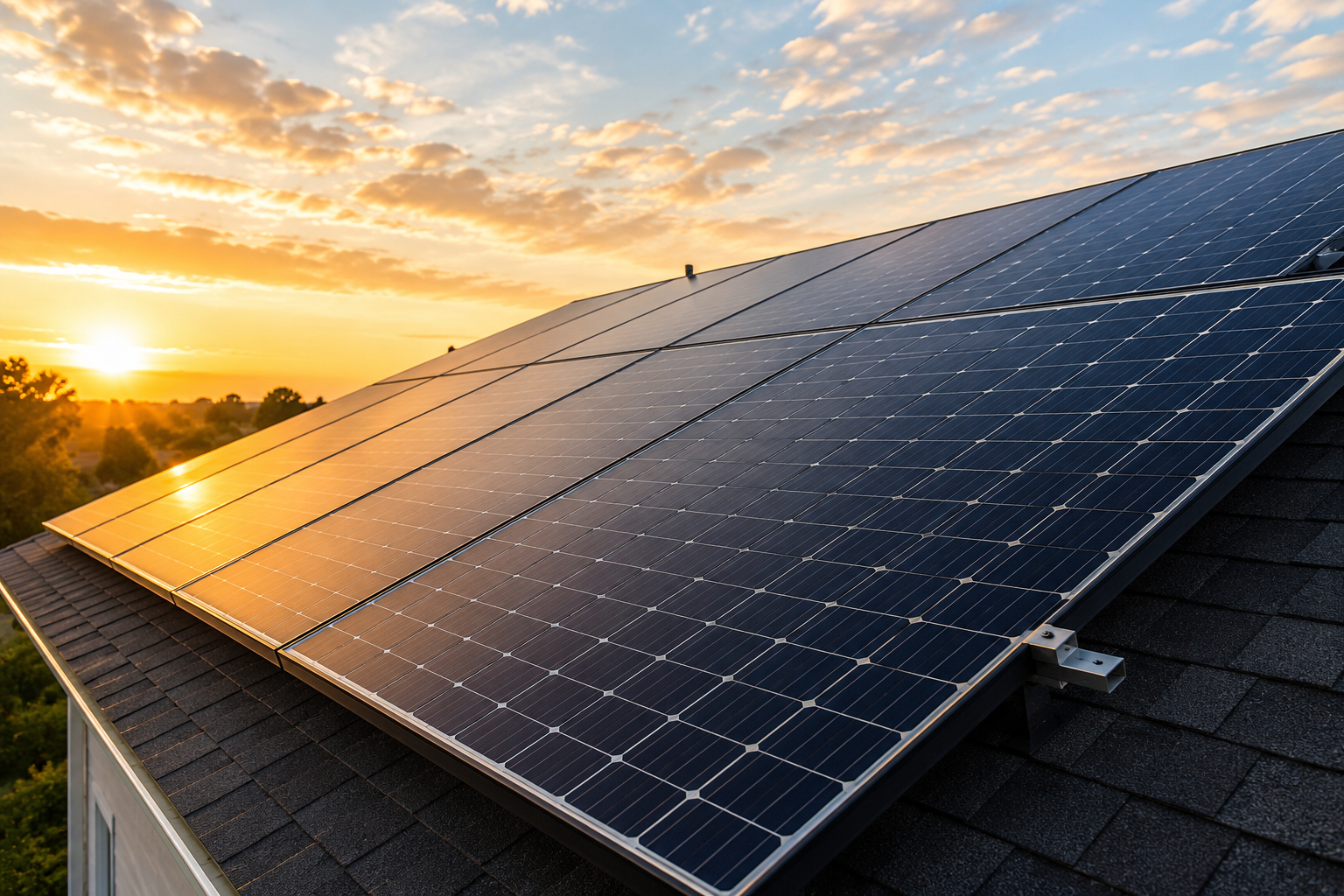
BUTTE, Mont. — Butte-Silver Bow is taking another step toward a proposed solar panel installation at its public library, with county officials scheduling a bid opening as part of the process of evaluating the project.
The solar panels project appeared on the November 10 Council of Commissioners Committee of the Whole agenda. Public Works Budget Manager Angie Mullikin requested permission to schedule the bid opening, placing the proposed installation before county officials for consideration.
The project represents a potential investment in energy infrastructure at a publicly operated facility. However, the published agenda does not identify a winning contractor, a final construction price or a timetable for completing the installation.
Those details will be important in determining the project's cost to taxpayers and its potential financial benefits.
Solar Power for a Public Building
Solar panels generate electricity from sunlight, allowing a building to offset some of the electricity it would otherwise purchase from a utility.
For public facilities, the financial case for installing solar equipment generally depends on the upfront construction cost, the amount of electricity the system produces, maintenance expenses and the price of purchased electricity over time.
A library can be a candidate for such an installation because it operates on a recurring schedule and requires electricity for lighting, computers, heating and cooling equipment, and other building systems.
But the savings from any particular solar project cannot be established without knowing the proposed system's size, expected output and installation cost.
The county's published meeting agenda identifies the library project but does not provide those figures.
Competitive Bidding and Public Spending
The bid-opening process is an important stage in a publicly funded construction project.
Contractors may submit proposals describing the work they are prepared to perform and the price they would charge. County officials can then evaluate the submissions under the applicable procurement requirements.
A bid opening does not necessarily result in an immediate contract award. Officials may need to review the proposals, confirm that bidders meet project requirements and determine whether the costs fall within available funding.
For taxpayers, the amount of the winning bid will be one of the first concrete measures of the project's financial scope.
Other important considerations include warranties, the expected operating life of the equipment, maintenance responsibilities and whether additional electrical improvements will be necessary.
Those questions will help determine whether the proposed installation offers a reasonable long-term return on public spending.
Montana's Climate Presents Both Opportunities and Challenges
Solar power is not limited to warm-weather states. Photovoltaic panels can produce electricity in cold temperatures, although shorter winter days, snow cover and seasonal changes in sunlight affect overall generation.
In Butte, a solar installation must also be designed for local weather conditions, including winter snow loads and the structural requirements of the building.
The amount of electricity produced will vary throughout the year. Summer generally offers longer daylight hours, while winter conditions can reduce generation.
A properly evaluated project should account for those seasonal differences rather than relying on annual savings estimates without supporting calculations.
Questions Still to Be Answered
Several important details remain to be established publicly.
The county has not identified a final project cost or construction contractor in the November 10 agenda description. The agenda also does not specify the number of panels, the expected annual electricity production or the project's projected payback period.
Those figures would allow residents to compare the upfront investment with the potential reduction in future utility expenses.
The source of project funding is another important consideration. A project supported by a grant could have a different direct cost to local taxpayers than one funded entirely through county revenues.
Without those details, it is too early to determine whether the proposed installation will produce substantial financial savings.
Next Steps for the Library Project
The November 10 agenda establishes that the solar panels project has reached the bid-opening stage of county consideration.
The next developments to watch are the bid results, any recommendation to award a contract and the release of more detailed project specifications.
If the installation proceeds, the county will also need to address construction scheduling and any potential effects on normal library operations.
For now, the proposal provides another example of the decisions local government faces when considering improvements to public buildings: whether spending money on new infrastructure today can reduce operating costs in the years ahead.
The eventual contract price and expected energy production will determine whether that promise can be supported by the numbers.
